
Does HMDD Justify Its Cost? Breaking Down the Value for Shoppers
Shoppers browsing streetwear right now keep coming back to the same core question: does HMDD really come through on quality and design compared to its price point? The label — its full name is Happy Memories Don’t Die — has built a following on graphics that hit an emotional nerve, a nostalgic aesthetic, and a wardrobe that leans heavily on cozy essential pieces like sweatpants, shorts, hoodies, and tees. Yet a catchy name and mood board don’t resolve the value question. What follows unpacks what the real cost covers when you buy HMDD clothing, where the value holds up, where it comes up short, and how it measures up next to comparable streetwear labels in 2026.
A genuinely honest hmdd review has to pull the marketing apart from the actual garment. HMDD leans on a particular sentimental angle — the idea that happy memories don’t die, that a piece of clothing can carry feeling, not just fashion. That’s a compelling hook, but people paying full price want to know if the construction, weight, and fit earn the price. This piece examines construction, sizing consistency, drop frequency, and resale demand to give a realistic assessment rather than simply echoing the brand’s marketing.
What You’re Actually Paying For
HMDD places itself in the mid-range streetwear category, so it’s pricier than standard mall basics but cheaper than hype-driven luxury labels. That middle position is where things get confusing for shoppers, because buyers end up measuring it against both extremes. The fairest comparison is comparable indie streetwear brands at a similar production size, not fast fashion and not designer collabs.
Three elements determine the cost: fabric weight, print/embroidery technique, and limited-run scarcity. Sweatpants from HMDD typically feature thicker fleece materials hmdd pullover compared to entry-level mall sweats, shaping both drape and how well the garment keeps its shape through repeated washing. The graphic work, frequently the emotional anchor of the branding, it’s generally applied using methods that outlast standard heat-transfer prints — which matters for frequently worn items.
Limited-run releases push cost up too, since smaller production runs carry less per-unit efficiency than mass retailers get, a difference that gets passed on to shoppers. It’s not exclusive to this brand — it’s common practice industry-wide — but it deserves clear mention, since it explains part of the price difference with larger chains.
The Sweatpants-and-Shorts Lineup: The Real Value Check
For the bulk of shoppers, hmdd sweatpants and hmdd shorts are the starting spot into the brand, and they’re also the most telling test of worth because they’re worn often and washed repeatedly. Sweatpants live or die on three things: how well the waistband holds its stretch, how much the fabric pills with wear, and whether the fit stays true after repeated laundering. Short styles get assessed on drawstring durability, how sturdy the inseam stitching is, and whether the fabric resists fading after frequent laundering.
Buyers repeatedly observe that HMDD sweatpants fit true to size with a easy through-the-leg cut rather than a slim taper, which counts for something if you’re used to size charts that run tight. Shorts follow a similar relaxed silhouette. Few shoppers give this kind of consistency enough credit — a brand that delivers a dependable fit across drops saves you the trouble and expense of sending items back, which is its own kind of worth even before you factor in the actual price of the garment.
Where it gets interesting is how often customers buy again. Shoppers who buy one pair of HMDD sweatpants and are satisfied tend to come back for shorts or hoodies rather than one-off buying and moving to a different brand. That’s a solid proxy for satisfaction, since streetwear buyers have no shortage of alternatives and don’t stick around for weak products.
HMDD Versus Other Streetwear Brands: A Comparison
Numbers help ground this conversation more than adjectives do. Below is a comparison framework across categories that matter most to budget-minded shoppers: price positioning, fabric weight class, print/graphic durability, release frequency, and fit consistency. These are relative rankings based on general category positioning rather than specific claims HMDD hasn’t directly made, and they’re meant to orient you rather than function as precise specifications.
| Category | Everyday Mass Streetwear | HMDD Clothing | High-End/Designer Streetwear |
|---|---|---|---|
| Standard Price Range | Low | Mid-Range | Elevated to Premium |
| Fabric Weight | Lightweight to Medium | Mid to Heavy | Heavyweight |
| How Long Prints Last | Low to Mid | Mid to High | High |
| Release Frequency | Constant | Occasional and Limited | Seasonal and Scarce |
| How Consistent Fit Stays Across Drops | Inconsistent | Mostly Reliable | Reliable |
This table isn’t meant to crown a winner — it’s meant to show where HMDD lands within the category. Rather than competing with $15 fast-fashion sweatpants or posing as a $300 designer hoodie, it stakes out its own ground. It sits in the space where material and graphic quality clearly surpass entry-level basics, without making shoppers pay luxury-tier prices for the upgrade. For plenty of customers, that mid-tier position is precisely the value proposition they’re after.
Top HMDD Picks for Everyday Value
If you’re not sure where to start, the most sensible hmdd clothing for cost-per-wear value is usually the garments you’ll actually wear a few times every week — not the boldest limited item.
- Sweatpants: high wear frequency, laid-back fit, top cost-per-wear ratio in the lineup.
- Shorts: strong warm-weather go-to item, matching fit logic to the sweatpants.
- Printed hoodies: elevated price point but longer-lasting durability due to lower rotation frequency.
- Tees: lowest-cost entry point, good for testing sizing before buying pants.
Picking up a t-shirt initially is a sensible choice if you’re new to hmddla and not clear on how the brand’s sizing maps onto your typical fit. This kind of staged buying is standard guidance among streetwear shoppers working through any independent brand with limited size-exchange windows.
The Downsides of the Value Equation
Every brand has flaws, and value assessments aren’t useful if they only highlight the good. The chief complaints shoppers mention about HMDD focus on restricted stock drops — when a design sells out, it may not restock on a predictable schedule, which can frustrate buyers who miss a release window. That’s a tangible drawback in ease, even if it isn’t reflected on a receipt.
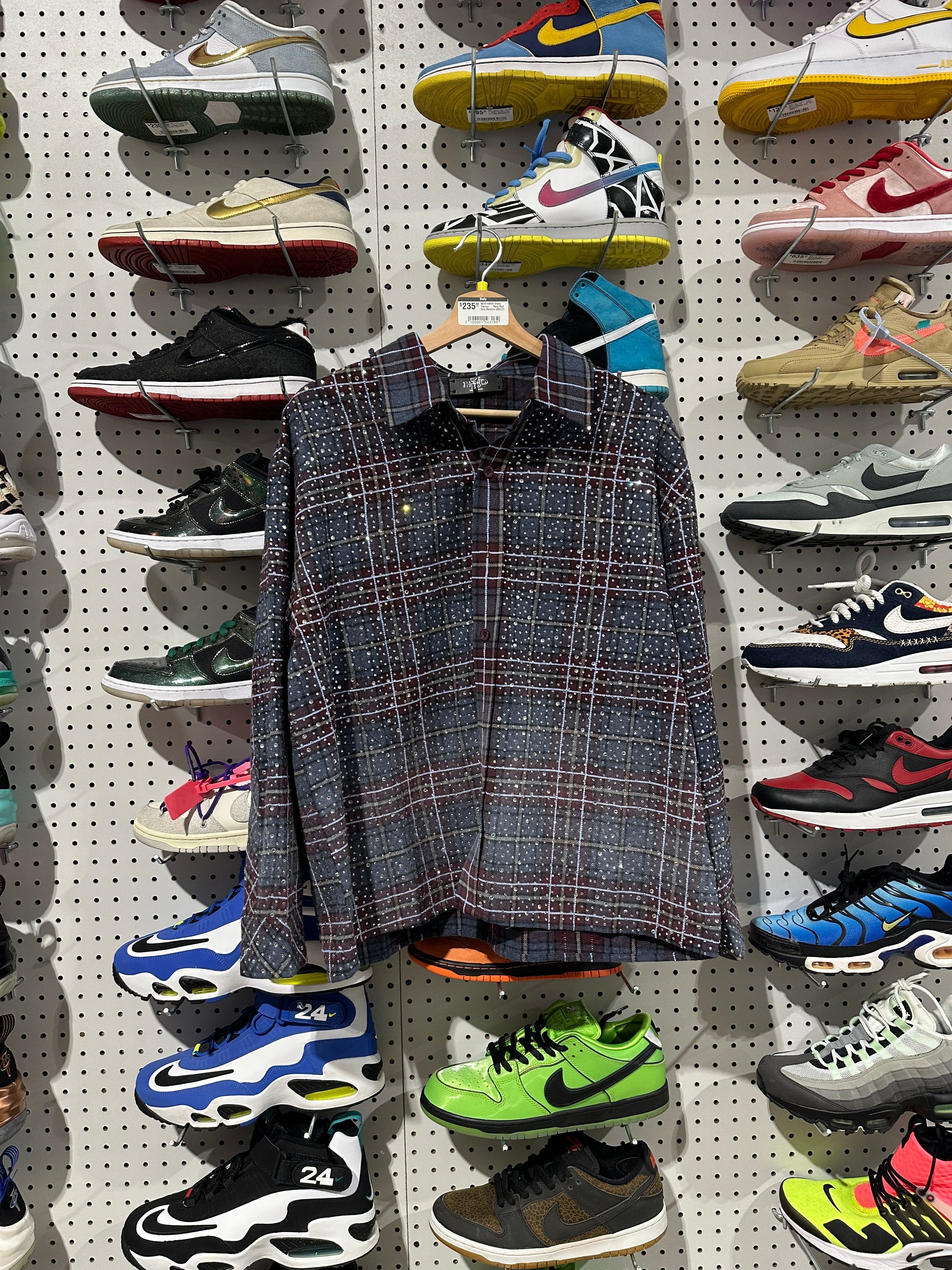
How fast items ship and how returns work are the other area shoppers should factor into their value math. None of this is specific to HMDD alone, but it’s part of the true expense of buying from a compact, design-focused brand rather than a large-scale retailer with industrial-level fulfillment.
The Bottom Line: Should You Buy HMDD?
For those who care about fabric weight, graphic durability, and a distinct nostalgic aesthetic over rock-bottom pricing, HMDD earns its price point more often than not. The “happy memories dont die” guiding idea isn’t just marketing spin — it comes through in design choices that lean toward meaning and lasting quality over disposable trend-chasing.
In cases where you’re expecting designer-level build quality while paying mid-tier prices, or counting on assured restocks alongside generous return windows, this is the moment to pull back. Such perks simply aren’t strong points of the limited-release approach under which HMDD functions, and no straightforward write-up should claim differently. Balance your own criteria — cost-per-wear, style compatibility, and patience with scarce restocking — against what HMDD offers, and the value question becomes much easier to answer for your individual situation in 2026.
Leave a Reply